
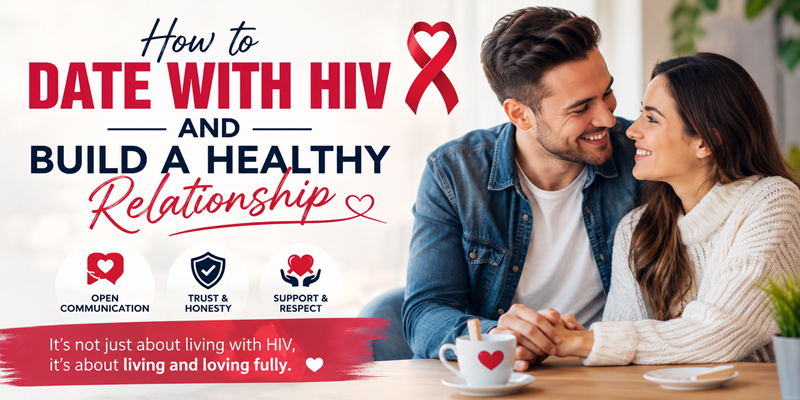
How to Date with HIV and Build a Healthy Relationship
Living with HIV does not mean giving up on love or healthy relationships. Thanks to modern treatment, better awareness, and supportive communities, people Living With HIV can enjoy meaningful, lasting relationships just like anyone else. While dating may bring unique challenges, honesty, communication, and mutual respect create a strong foundation for a successful partnership.
Many individuals worry about stigma, rejection, or when to disclose their HIV status. These concerns are understandable, but they should never stop someone from pursuing happiness. By focusing on emotional well-being, personal health, and open conversations, it is possible to build a relationship based on trust rather than fear.
Understanding HIV and Modern Dating
Dating has changed significantly over the past decade. Medical advancements have transformed HIV from a life-threatening illness into a manageable health condition for many people. Individuals who consistently follow treatment often achieve an undetectable viral load, meaning the virus cannot be sexually transmitted through the principle known as Undetectable = Untransmittable (U=U).
Understanding these facts helps remove unnecessary fear from relationships. Education benefits both partners and encourages healthier conversations instead of assumptions.
Whether meeting someone online or in person, confidence grows when you understand your health and know the facts.
Let Go of Outdated Myths
Many myths about HIV still exist despite decades of medical research. Some people mistakenly believe HIV prevents marriage, having children, or maintaining long-term relationships.
The reality is very different. With proper medical care and responsible health management, many couples living with HIV enjoy fulfilling relationships, successful marriages, and healthy families.
Replacing misinformation with accurate knowledge creates stronger relationships and reduces unnecessary anxiety.
Build Confidence Before Starting a Relationship
Healthy relationships begin with self-confidence. Before focusing on finding a partner, it’s important to accept yourself and recognize your worth.
HIV does not define your personality, dreams, kindness, intelligence, or ability to love. People are attracted to honesty, compassion, humor, and shared values far more than a medical diagnosis.
Improving self-confidence may include:
- Staying consistent with HIV treatment.
- Taking care of physical and mental health.
- Building supportive friendships.
- Participating in HIV support communities.
- Celebrating personal achievements.
Confidence naturally attracts healthier relationships.
When Should You Tell Someone You Have HIV?
One of the biggest concerns while trying to date with HIV is deciding when to disclose your status.
There is no universal timeline because every relationship develops differently. However, disclosure should happen before sexual intimacy and after enough trust has been established for an honest conversation.
Choose a private, comfortable setting where both people can speak openly without distractions.
Explain your health calmly, discuss your treatment, and answer questions honestly. Many people appreciate transparency and maturity more than perfection.
Remember that disclosure is about building trust—not apologizing for who you are.
Communication Creates Strong Relationships
Every successful relationship depends on communication. Couples living with HIV often benefit even more from regular, honest discussions.
Topics may include:
Medical Care
Talk about treatment, medication schedules, doctor’s appointments, and maintaining an undetectable viral load.
Emotional Support
Both partners should feel comfortable discussing fears, concerns, and emotional challenges without judgment.
Future Goals
Discuss marriage, children, finances, travel, and long-term expectations. Having shared goals strengthens commitment and reduces misunderstandings.
Healthy conversations prevent assumptions from damaging the relationship.
Practice Safe and Responsible Intimacy
Physical intimacy remains an important part of many relationships. Couples should make informed decisions together based on medical guidance.
When someone maintains an undetectable viral load through consistent treatment, the risk of sexual transmission becomes effectively zero according to established medical evidence. Some couples also choose additional preventive measures, including condoms or PrEP, depending on their circumstances and healthcare provider’s advice.
Responsible decisions are made together through education rather than fear.
Respecting each other’s comfort level strengthens emotional intimacy as well.
Finding the Right Partner
Not every relationship is meant to last, regardless of HIV status.
Look for someone who values honesty, kindness, empathy, and emotional maturity. A supportive partner will want to understand your experience instead of judging it.
Many people living with HIV also choose HIV Dating Sites, where members already understand the challenges surrounding disclosure and stigma. Others successfully meet partners through everyday social activities, community events, volunteer work, or mutual friends.
The right relationship is built on compatibility, shared values, and respect—not simply shared medical experiences.
Managing Rejection in a Healthy Way
Unfortunately, rejection is part of dating for everyone.
Sometimes someone may decide not to continue dating after learning about HIV. While this can be painful, it does not reflect your value as a person.
People reject potential partners for many reasons including different lifestyles, personalities, life goals, or lack of compatibility.
Instead of allowing rejection to damage your confidence, view it as part of the process of finding someone who truly appreciates you.
Every experience brings you closer to a healthier relationship.
Strengthen Emotional Connection Every Day
Healthy relationships require consistent effort from both partners.
Simple habits can deepen emotional intimacy:
Spend Quality Time Together
Regular conversations, shared hobbies, and meaningful experiences strengthen your bond.
Show Appreciation
Express gratitude often. Small acts of kindness help relationships grow.
Respect Boundaries
Everyone deserves privacy, independence, and emotional space when needed.
Support Each Other’s Growth
Encourage career goals, education, hobbies, and personal development. Strong couples celebrate each other’s success instead of competing.
These habits build trust that lasts beyond the early stages of dating.
Overcoming HIV Stigma Together
Although public awareness has improved, stigma still exists.
Couples can overcome stigma by focusing on facts instead of fear. Education empowers both partners and creates confidence when discussing HIV with family members or trusted friends if they choose to do so.
Connecting with support groups, counselors, or HIV advocacy organizations can also guide during difficult moments.
Remember that your relationship belongs to you—not to society’s opinions.
Prioritize Your Physical and Mental Health
A healthy relationship becomes stronger when both partners prioritize wellness.
Continue taking prescribed medication, attend regular medical appointments, exercise consistently, eat nutritious foods, and manage stress effectively.
Mental health deserves equal attention. Anxiety, depression, or fear of stigma can affect relationships if left unaddressed. Professional counseling or peer support can provide valuable coping strategies.
Taking care of yourself is one of the greatest gifts you can offer your relationship.
Frequently Asked Questions (FAQs)
1. Can people living with HIV have healthy romantic relationships?
Yes. With proper treatment, open communication, and mutual respect, people living with HIV can enjoy healthy, long-lasting relationships.
2. When should I tell someone I have HIV?
There is no fixed timeline, but disclosure should happen before sexual intimacy and after enough trust has developed for an honest conversation.
3. Is it safe to date someone who has HIV?
Yes. Modern HIV treatment allows many people to achieve an undetectable viral load, which prevents sexual transmission when treatment is maintained consistently (U=U).
4. Can couples have children if one partner has HIV?
Yes. With medical guidance and proper treatment, many couples successfully have healthy children while greatly reducing the risk of HIV transmission.
5. How can I build confidence while dating with HIV?
Focus on your health, stay consistent with treatment, educate yourself about HIV, develop supportive friendships, and remember that your diagnosis does not define your worth.
6. What qualities should I look for in a partner?
Look for honesty, kindness, empathy, respect, emotional maturity, and someone who values open communication and mutual support.
7. Are HIV dating platforms helpful?
Many people find HIV-focused dating communities helpful because members often understand disclosure concerns and share similar life experiences, although meaningful relationships can begin anywhere.
8. What should I do if someone rejects me because of HIV?
Rejection is a normal part of dating. It does not determine your value. Continue focusing on your well-being and finding someone who appreciates you for who you are.
Conclusion
Choosing to Date With HIV is not about ignoring challenges—it is about embracing hope, honesty, and self-worth. Modern medicine has made it possible for people living with HIV to enjoy loving, healthy, and fulfilling relationships built on trust and mutual respect.
Every meaningful relationship begins with confidence, honest communication, and genuine connection. By educating yourself, staying committed to your health, and surrounding yourself with supportive people, you can build a partnership that thrives for years to come. HIV is only one part of your life story—it does not determine your ability to love or be loved.

One thought on “How to Date with HIV and Build a Healthy Relationship”
Comments are closed.